The Rise of USB Type-C: What You Need to Know
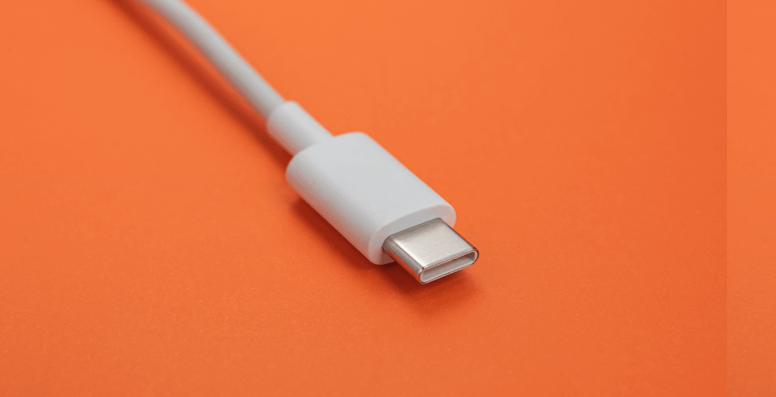
In the rapidly evolving world of technology, standards and interfaces often change to accommodate new advancements. One such significant development is the rise of USB Type-C (USB-C) as the emerging universal standard for connectivity and power delivery. This post explores what you need to know about USB-C and why it’s becoming the go-to choice for many devices.
Brief Overview of USB’s Evolution
The Universal Serial Bus (USB) has undergone several iterations since its introduction in the mid-1990s. Starting with USB 1.0, which offered modest data transfer rates, subsequent versions like USB 2.0, USB 3.0, and USB 3.1 brought significant improvements in speed and functionality. Today, USB-C represents the latest evolution, designed to meet the increasing demands of modern devices.
Is USB-C as the Emerging Universal Standard
One of the most user-friendly features of USB-C is its reversible design. Gone are the days of struggling to plug in a USB cable correctly. USB-C can be inserted either way, ensuring ease of use and reducing wear and tear on ports and cables.
- High-Speed Data Transfer: USB-C supports higher data transfer rates compared to earlier USB versions. With USB 3.1 and USB 3.2 specifications, users can experience speeds up to 10 Gbps and beyond, facilitating faster file transfers and smoother data-intensive tasks.
- Power Delivery Capability: USB-C also stands out due to its power delivery capabilities. It can provide up to 100 watts of power, making it suitable for charging not only smartphones but also larger devices like laptops and monitors. This versatility reduces the need for multiple chargers and cables.
- Versatility: USB-C is designed to replace various other connectors, consolidating power, data, and video output into a single port. This means a single USB-C cable can connect to a myriad of devices, from external hard drives to high-definition displays, enhancing convenience and reducing clutter.
Major Brands Leading the way
Several major brands have adopted USB-C, driving its acceptance as the industry standard.
- Google: Google’s Pixel phones and Chromebooks feature USB-C ports, underscoring the company’s commitment to this versatile standard.
- Samsung: Samsung’s flagship Galaxy smartphones and tablets come equipped with USB-C, providing users with faster charging and data transfer capabilities.
- Apple: Apple has also embraced USB-C, particularly in its MacBook lineup and the latest iPad Pro models, signaling a broader shift towards this universal standard.
In conclusion, the rise of USB-C marks a significant milestone in the evolution of connectivity standards. With its reversible design, high-speed data transfer capabilities, powerful power delivery, and overall versatility, USB-C is set to become the universal standard for a wide array of devices. As more major brands continue to adopt this technology, consumers can look forward to a more seamless and efficient experience across their devices.
Other pages you may be interested in...