Low Voltage System in Modern Security Solutions
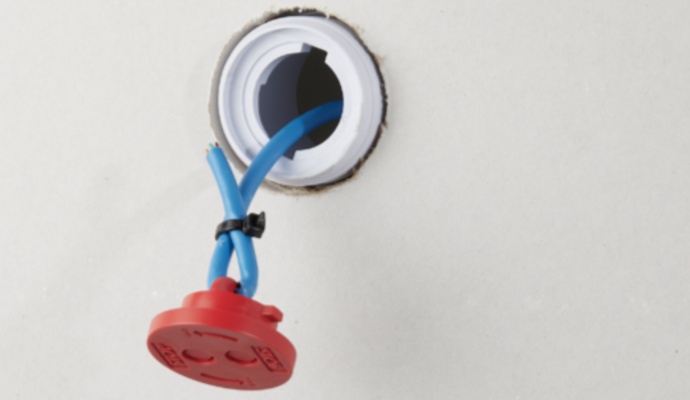
In today’s rapidly advancing technological landscape, security solutions have become more sophisticated and efficient. One crucial aspect of modern security systems is the use of low voltage systems. Low voltage systems, typically operating at 50 volts or less, are characterized by their energy efficiency, safety, and versatility. These systems are starkly different from high voltage systems, which operate at much higher voltages and are primarily used for power distribution. The key characteristics of low voltage systems include reduced power consumption, enhanced safety, lower installation costs, and greater flexibility in integration with other technologies.
While high-voltage systems are essential for transmitting electricity over long distances and powering large machinery, they come with higher risks and costs. Low voltage systems, on the other hand, are ideal for applications where safety, efficiency, and control are paramount. This makes them particularly suitable for modern security solutions, where precision and reliability are critical.
Role of Low Voltage Systems in Security
Low voltage systems play a pivotal role in enhancing security across various settings. These systems are widely used in surveillance, access control, intrusion detection, and fire safety, providing a comprehensive security framework that is both effective and reliable.
- Safety: One of the primary advantages of low voltage systems is their inherent safety. The lower voltage significantly reduces the risk of electrical shock and fire hazards, making these systems safer for both installers and users.
- Cost-effectiveness: Low voltage systems are generally more affordable to install and maintain compared to high voltage systems. They require less expensive wiring and infrastructure, leading to overall cost savings without compromising on performance.
- Reliability: Low voltage systems are known for their reliability and durability. They are less prone to power surges and fluctuations, ensuring consistent and uninterrupted operation, which is crucial for security applications.
Types of Low Voltage Security Systems
- Surveillance Cameras and CCTV Systems: These systems are the backbone of modern security. Low voltage cameras and CCTV systems offer high-definition video monitoring and recording, providing real-time surveillance and deterring criminal activities.
- Access Control Systems: These systems include keycard readers, biometric scanners, and alarm systems that regulate and monitor access to restricted areas. Low voltage access control systems are easy to install and integrate with other security measures, enhancing overall security.
- Intrusion Detection Systems: Motion sensors, glass break detectors, and alarm systems are essential components of intrusion detection systems. Operating on low voltage, these systems provide reliable and timely alerts in case of unauthorized entry.
- Fire and Life Safety Systems: Smoke detectors, carbon monoxide detectors, and emergency lighting are critical for ensuring safety in the event of a fire or other emergencies. Low voltage systems ensure these devices operate efficiently and reliably.
Innovations and Technological Advances
The field of low voltage security systems is constantly evolving, with new innovations and technological advances enhancing their capabilities.
- Recent Advancements: Recent developments include higher resolution cameras, advanced sensor technologies, and improved battery life for wireless devices. These advancements have significantly improved the performance and reliability of low voltage security systems.
- Role of IoT and AI: The integration of the Internet of Things (IoT) and Artificial Intelligence (AI) has revolutionized low voltage security systems. IoT enables seamless connectivity and communication between devices, while AI enhances data analysis, threat detection, and decision-making processes. For example, AI-powered surveillance cameras can recognize faces, identify suspicious behavior, and alert security personnel in real-time.
- Case Studies: Numerous case studies highlight the effectiveness of low voltage security systems. For instance, a retail chain implemented a low voltage CCTV system integrated with AI analytics, resulting in a significant reduction in theft and improved customer safety.
Conclusion
Low voltage systems are integral to modern security solutions, offering safety, cost-effectiveness, and reliability. Their application in surveillance, access control, intrusion detection, and fire safety systems provides a robust security framework. With ongoing innovations and the integration of IoT and AI, low voltage security systems continue to advance, offering enhanced protection and peace of mind. As technology progresses, these systems will undoubtedly play an even more critical role in ensuring safety and security in various environments.


Other pages you may be interested in...